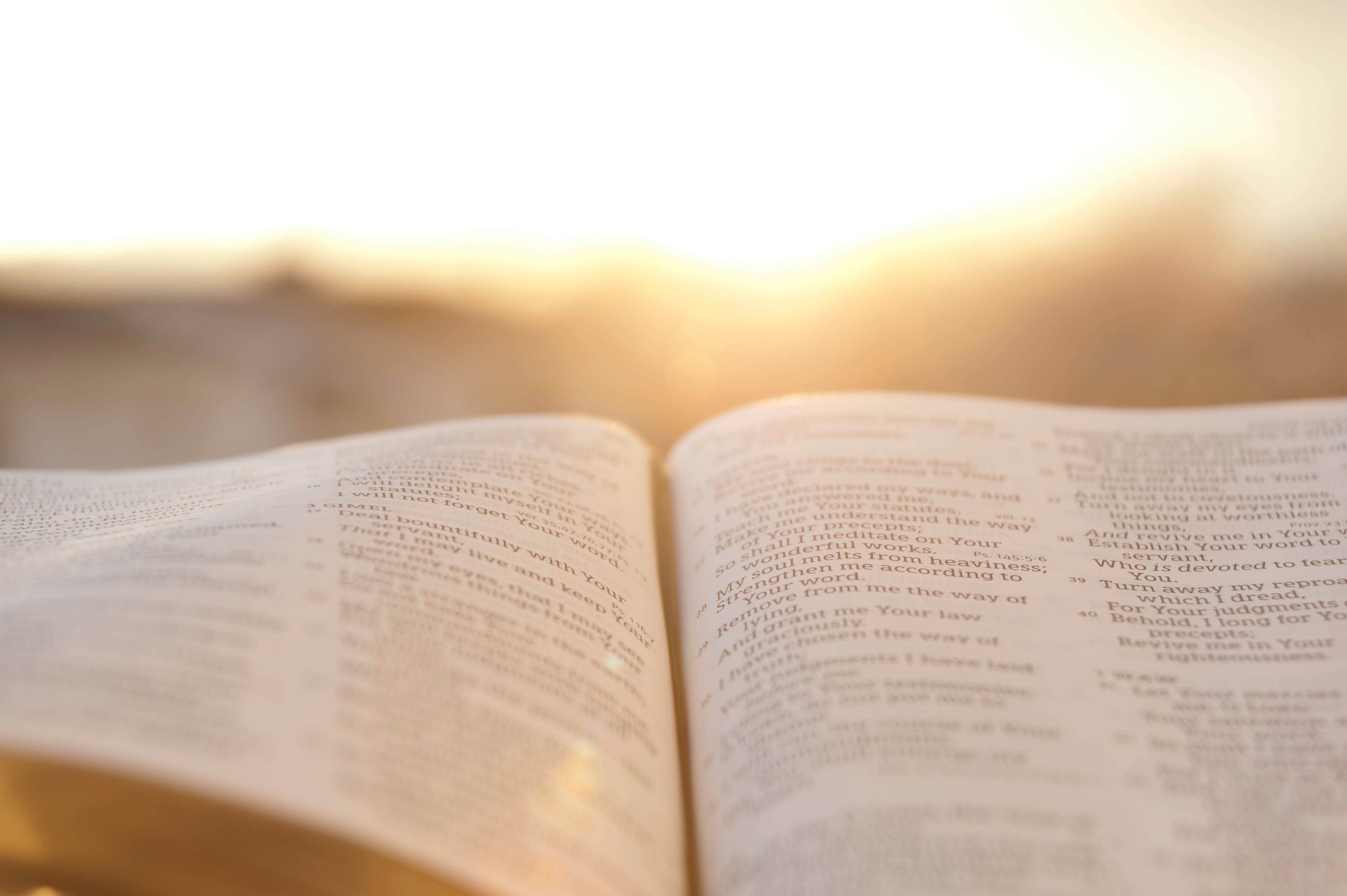
God didn’t give us Scripture just to fill our heads. He gave it to change our lives. So when we work through the text, it is important to slow down and let it sink into our hearts and minds. Here are some practical questions to help us do that and make our time in the text much more effective.
1. What does it say? (Nehemiah 8:8; Acts 17:11; Luke 10:26) Before I explain a passage, I want to see it. What’s actually written? Who’s talking? Who’s listening? Which words keep showing up? The Bereans examined the Scriptures for themselves every day. Jesus once answered a lawyer’s question by asking what was written and how he read it. Usually, our trouble isn’t that the Bible is hard. We’re just reading too fast.
2. What does it mean? (2 Timothy 2:15; 2 Peter 1:20-21; Nehemiah 8:8) What did the inspired writer intend to say? How would the first readers have heard these words? Their circumstances, and the problems in their churches, shaped how those words first came across. Paul told Timothy to handle the word of truth correctly, and that takes work.
3. What does it reveal about God? (Exodus 34:6-7; Psalm 19:7-11; Romans 11:33-36) Each passage reveals something about His character, His ways, His purposes, and how He governs His world. When God passed by Moses on the mountain, He announced Himself as compassionate and gracious, slow to anger, and abounding in faithful love. That’s the God who wrote this book.
4. What does it reveal about us? (Hebrews 4:12-13; James 1:23-25; Psalm 139:23-24) Scripture is honest about people. It uncovers our motives and exposes our excuses. James says the word works like a mirror. We look into it and see ourselves as we actually are, not as we’ve been telling ourselves we are.
5. How can this passage help me look to Jesus? (Luke 24:27, 44; John 5:39-40; Acts 8:35) The whole story points to Christ. On the road to Emmaus, Jesus began with Moses and the Prophets and walked two heartbroken men through everything written about Himself. When Philip climbed into that chariot, he began with the passage the Ethiopian was already reading and preached Jesus from it.
Sometimes a text points to Him by prophecy. Sometimes by pattern. Sometimes it simply shows me a need that only Jesus can meet.
6. How should it change my life today? (James 1:22; John 13:17; Ezra 7:10) This is where reading gets personal. What is God calling me to believe, confess, obey, or become? Ezra set his heart to study the law, then to do it, and then to teach it. We can take careful notes and learn a great deal about the Bible, but if nothing ever changes, what good is it?
7. How could I explain this simply to someone else? (2 Timothy 2:2; 1 Peter 3:15; Colossians 4:6) If I truly understand it, I ought to be able to explain it in simple terms. Paul told Timothy to entrust what he’d heard to faithful people who could teach others. Peter says to be ready to give an answer and to do so with gentleness and respect. A good test is whether I could explain it to the people at work who have never opened a Bible and aren’t sure they want to. If I can’t, I probably haven’t finished thinking about it yet.
The richest things in Scripture usually don’t come from reading more chapters. They come from paying closer attention to the chapter already open in front of us.
Try it this week. Pick one paragraph. Read it tomorrow morning, then again a few nights later. Walk through the seven questions with a pen in hand. You may be surprised by what’s been sitting there all along, waiting for you to slow down long enough to see it.