


Today’s Reading: Philippians 1:1-11
Most people don’t lose joy because they stop believing in God. They lose joy because life stops cooperating.
They did what they were supposed to do.
They tried to be faithful.
They prayed.
They planned carefully.
And then things stalled. Or unraveled. Or landed somewhere they never expected.
Life is hard.
That’s usually where anxiety takes root. Not in rebellion, but in disappointment. Not because faith disappeared, but because expectations quietly collapsed. The question people rarely say out loud begins to whisper in the background:
If God is really at work, why does everything feel so stuck?
That question sits right at the doorway of Philippians.
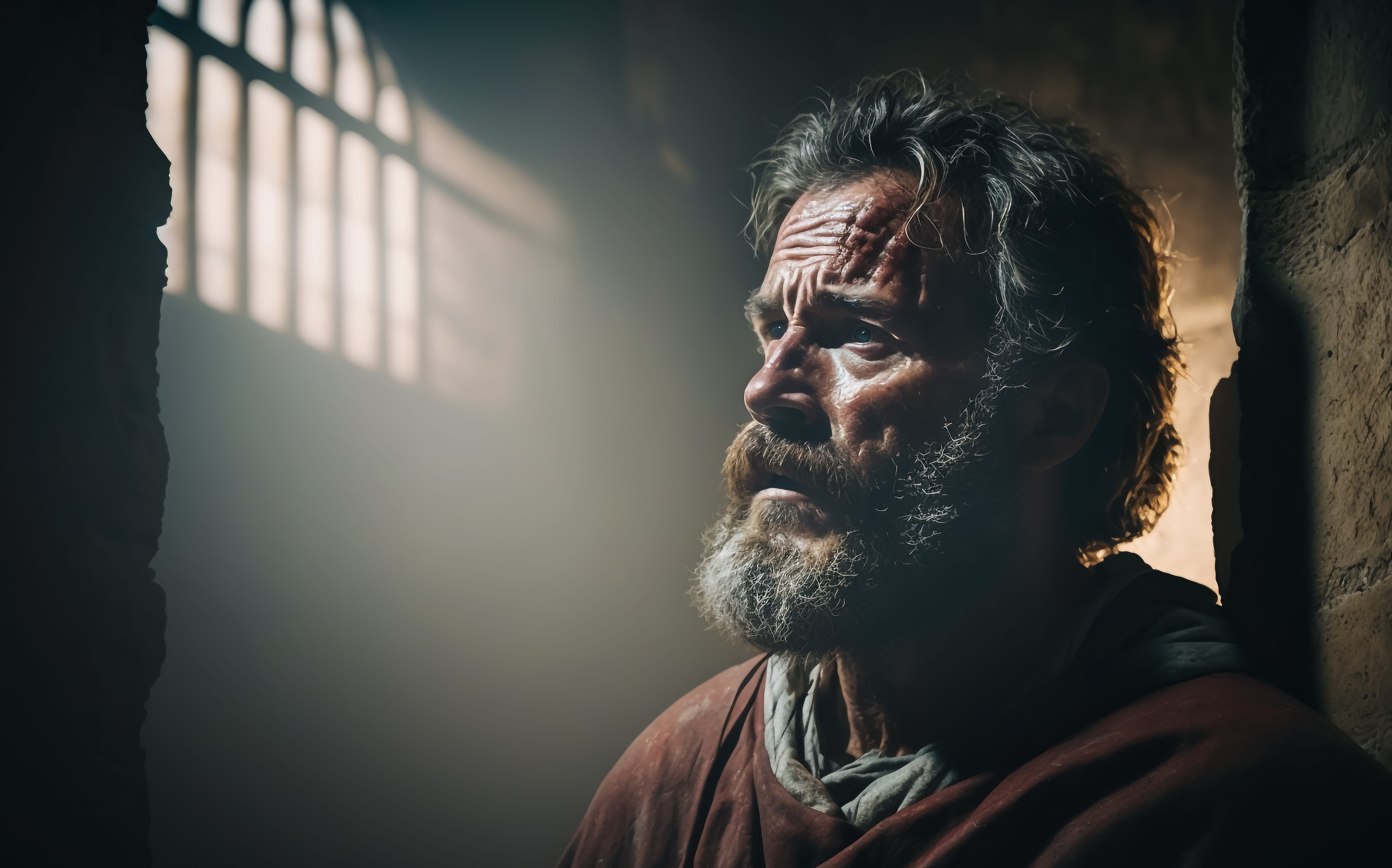
Paul writes this letter from prison. A real cell. Real chains. Real limitations. If anyone had reason to feel stalled, frustrated, or forgotten, it was him. And yet Philippians opens, not with complaint, but with joy.
That alone should make us pause.
Paul doesn’t minimize his situation, but he also doesn’t interpret his life through it. Instead, he frames everything through what God is doing. He thanks God for gospel partnership. He expresses deep affection for the Philppian brethren. And most strikingly, he voices an unshakable confidence:
“I am sure of this, that he who started a good work in you will carry it on to completion until the day of Christ Jesus.”
That isn’t positive thinking. That’s theological conviction.
Joy is Rooted in God’s Character
Paul’s joy is not rooted in circumstances improving. It’s rooted in God’s character. The God who begins the work is the God who sustains it. The God who calls is the God who completes. Prison does not interrupt that process.
Here’s where we can bring this home today.
Anxiety often grows when we equate God’s faithfulness with visible progress. If things are moving forward, we feel hopeful. If they slow down, we assume something has gone wrong. But Scripture repeatedly teaches that God’s most important work often happens quietly, slowly, and beneath the surface.
Paul is stable because his confidence is anchored outside of outcomes. He trusts God’s commitment more than his own momentum.
That kind of faith changes how we interpret hard seasons. It means delays don’t automatically signal failure. It means limitations don’t mean abandonment. It means unfinished chapters aren’t evidence that God has stopped writing.
Joy is Not the Absence of Hardship
Joy, in Philippians, is not the absence of hardship. It is the settled confidence that God is still working: even when life feels unfinished.
That doesn’t erase pain. It doesn’t silence grief. But it does steady the soul. Fear grows when we assume that what we see is all that’s happening. Faith grows when we trust that God is faithful beyond what we can see.
And sometimes, the most faithful thing we can do is this:
Stop demanding visible progress, and start trusting the God who never quits His work.
Final Thoughts
When life refuses to cooperate, fear is often fueled by the assumption that nothing good is happening. Philippians pushes back against that lie. Joy doesn’t come from seeing everything clearly resolved; it comes from trusting the God who is always at work, even when progress is hidden. What feels stalled to us is often still active in God’s hands. And when we anchor our confidence there—rather than in outcomes, timelines, or circumstances—fear begins to loosen its grip, and faith finds room to breathe again.

Good preaching. Thank you brother
As James wrote, “Consider it all joy, my brethren, when you encounter various trials, knowing that the testing of your faith produces endurance. And let endurance have its perfect result, so that you may be perfect and complete, lacking in nothing” (Ch. 1, vv. 2-4).
Let us run the race with perseverance—Fix our eyes on Jesus.(paraphrased) Hebrews 12