


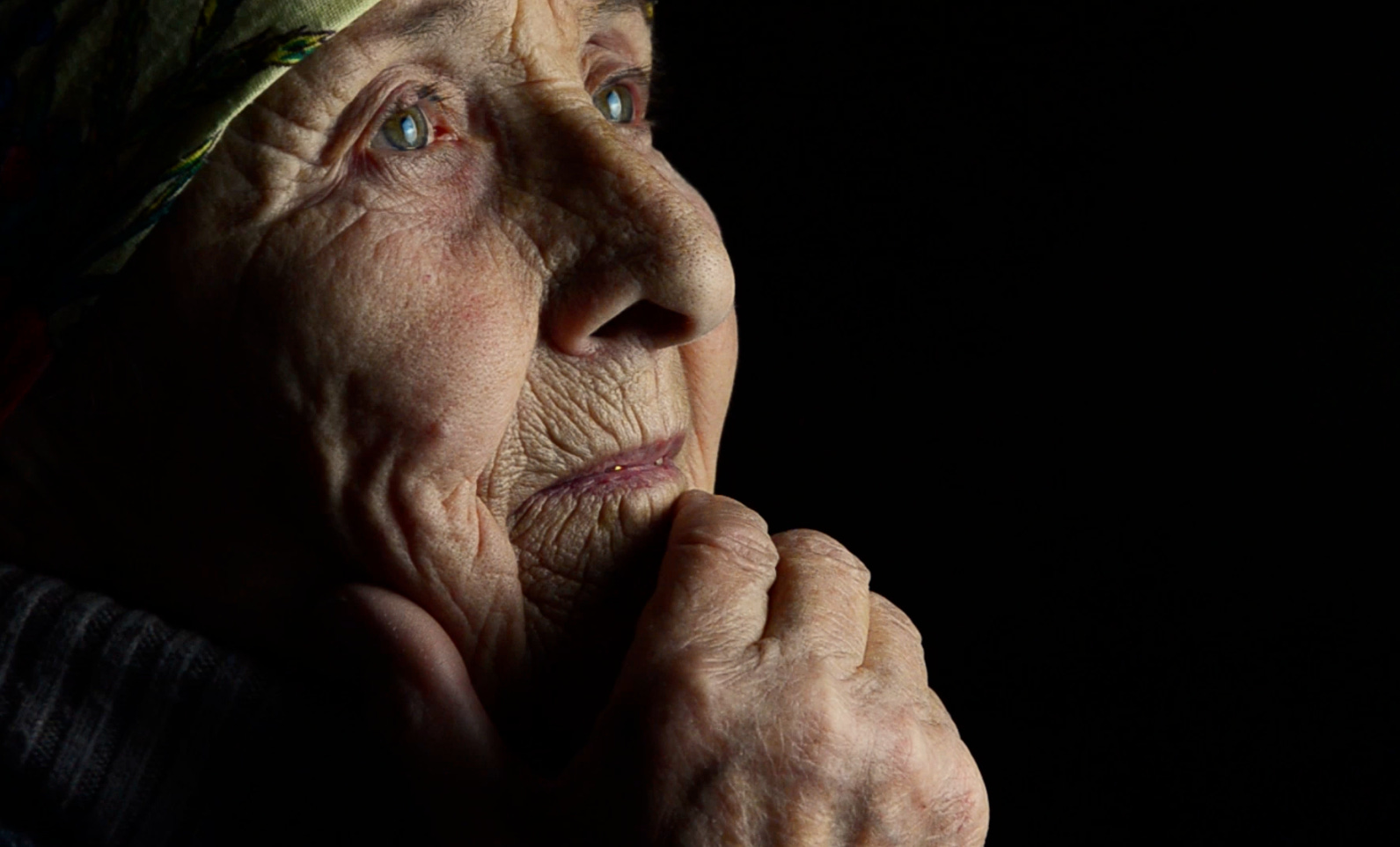
“I am one of the peaceful and faithful in Israel. You’re trying to destroy a city that is like a mother in Israel. Why would you devour the Lord’s inheritance?”
— 2 Samuel 20:19
Every fall, winter, and spring at Cornerstone, we offer a Tuesday class. This year, we’ve been studying the book of 2nd Samuel. I have really enjoyed revisiting the life of David and all the exciting stories about his kingdom. Our class this year is nearing its end as we are now in the final chapters of 2 Samuel. For me, these are chapters that haven’t received much attention in my past studies. But what I find is that they are full of lessons we can learn from and that can help us lead better lives today.
Tomorrow, we’ll be in 2 Samuel 20 and talk about the wise woman of Abel. Do you remember who she was?
A Kingdom That Couldn’t Catch Its Breath
Let me set the scene for you. David is in trouble … again. The ink isn’t even dry on the Absalom rebellion when a new fire breaks out. A man named Sheba, son of Bichri, blows a trumpet and starts peeling the northern tribes away from David’s kingdom. One man with one bitter voice. And just like that, the whole nation is fracturing all over again.
2 Samuel 20 is one of those chapters that doesn’t make it into many bible class lessons. It’s raw. Joab murders a man in cold blood while pretending to kiss him. Political maneuvering. Bloodshed. A kingdom held together with fraying rope. This is the messy middle of David’s reign, after the glory days but before the grave.
Into all of that chaos, Joab and his army pursue Sheba all the way to a city called Abel Beth-maacah. It’s a walled city in the far north of Israel. They surround it. They start building a siege ramp against the wall. In the ancient world, that meant one thing: everybody inside is going to die unless something changes fast.
Now here’s what I want you to notice. The Bible doesn’t tell us her name. But it does tell us what she did. And what she did saved an entire city.
She Walked to the Wall
Verse 16 simply says this: “A wise woman cried out from the city.” That’s it. No introduction. No credentials. No committee that voted her in to represent the city. She just walked to that wall herself and started talking.
She calls out to Joab, the general of David’s entire army, and says, “Listen to me.” Think about the nerve that takes. The city is under siege. Men with weapons are piling dirt against the wall. And this woman is calling for a conversation. Joab, to his credit, listens.
Her argument is brilliant. She doesn’t beg. She doesn’t panic. She reasons. She reminds Joab that Abel is an ancient city, one of the old, faithful cities of Israel. People used to come there for wisdom. She calls it “a mother in Israel.” You don’t destroy your own mother, she tells him. You don’t devour the Lord’s inheritance over one rebel.
Then she makes the deal. Give me a little time, she tells Joab. What you want, you’ll have it. And she goes back inside the city and does exactly what she said she’d do. She convinces the people of Abel to hand over Sheba. The siege ends. The army leaves. The city lives.
All because one woman decided the crisis in front of her was worth addressing, even when nobody asked her to.
What This Woman Teaches the Church
I’ve been preaching for a long time, and I’ve seen more cities fall because nobody walked to the wall than because the enemy was too strong. The siege ramp goes up. Division starts building. And good people sit inside and wait for someone else to speak.
This woman teaches us a few things we should deeply consider.
First: wisdom doesn’t wait for an invitation. She wasn’t appointed. She wasn’t voted in. She saw the need, and she moved. There are moments in the life of every church, every family, every friendship, when the right person just needs to walk to the wall. Not with an agenda. Not with an axe to grind. Just with a clear head and a willingness to speak truth into a dangerous situation.
Second: she argued from identity, not emotion. She didn’t say “this isn’t fair” or “we didn’t do anything wrong.” She said, do you know what this city is? Do you know what you’re about to destroy? She grounded her appeal in the history and the calling of her people. That’s a word for us. When the enemy comes against the church, the most powerful thing we can say isn’t “stop it,” it’s “do you know who we are? Do you know whose we are?”
Third: she did the hard thing inside the city too. Here’s the part nobody talks about. After she negotiated with Joab, she had to go back inside and convince her own people to give up the man they were hiding. That wasn’t easy. But she did it. Real peacemakers don’t just talk to the enemy at the gate; they’re willing to have the hard conversation inside the walls, too.
There’s a word here for anyone sitting in a congregation right now that’s under some kind of siege — conflict, division, discouragement, a spirit of Sheba that’s whispering “we have no part in David.” You don’t have to be famous to make a difference. You don’t have to have a title. You just need the wisdom to see what’s happening, the courage to walk to the wall, and the humility to do whatever it takes to save the city.
Nobody saw her coming. But everybody went home because she showed up.
Is there a wall somewhere in your life that needs someone to walk to it? A relationship fraying, a tension nobody’s addressing, a moment where wisdom and courage could change the outcome? Don’t wait to be appointed. The wise woman of Abel wasn’t. She just showed up, and a city lived.

Thanks for all you do!!
Good words. I see a lot of women stepping up like this today, people like Allie Beth Stuckey.