


David had him. Saul had chased him through the wilderness with three thousand men, and now the king had wandered alone into the very cave where David and his men were hiding in the back. The men whispered what every one of us would have been thinking: this is the day. God has handed him to you. And David crept close enough to cut a corner off Saul’s robe — close enough to do far worse — and then he stopped. “The Lord forbid that I should do this thing to my lord, the Lord’s anointed” (1 Samuel 24:6). He had the strength, the opportunity, and the grievance. He used none of them.
We tend to hear the word gentle and picture someone who couldn’t have done otherwise. Soft-spoken. Conflict-avoidant. A person without much fight in him. But that isn’t the word Jesus reaches for when He says, “Blessed are the meek, for they shall inherit the earth” (Matthew 5:5). The Greek word is praus, and in the ancient world it was the word you used for a horse that had been broken to the bridle. Everything that made the animal powerful is still there. The muscle hasn’t shrunk. The speed hasn’t gone anywhere. What’s changed is that all of it now answers to a hand other than its own.
That’s the picture. Gentleness isn’t the absence of strength. It’s strength that has been handed over.
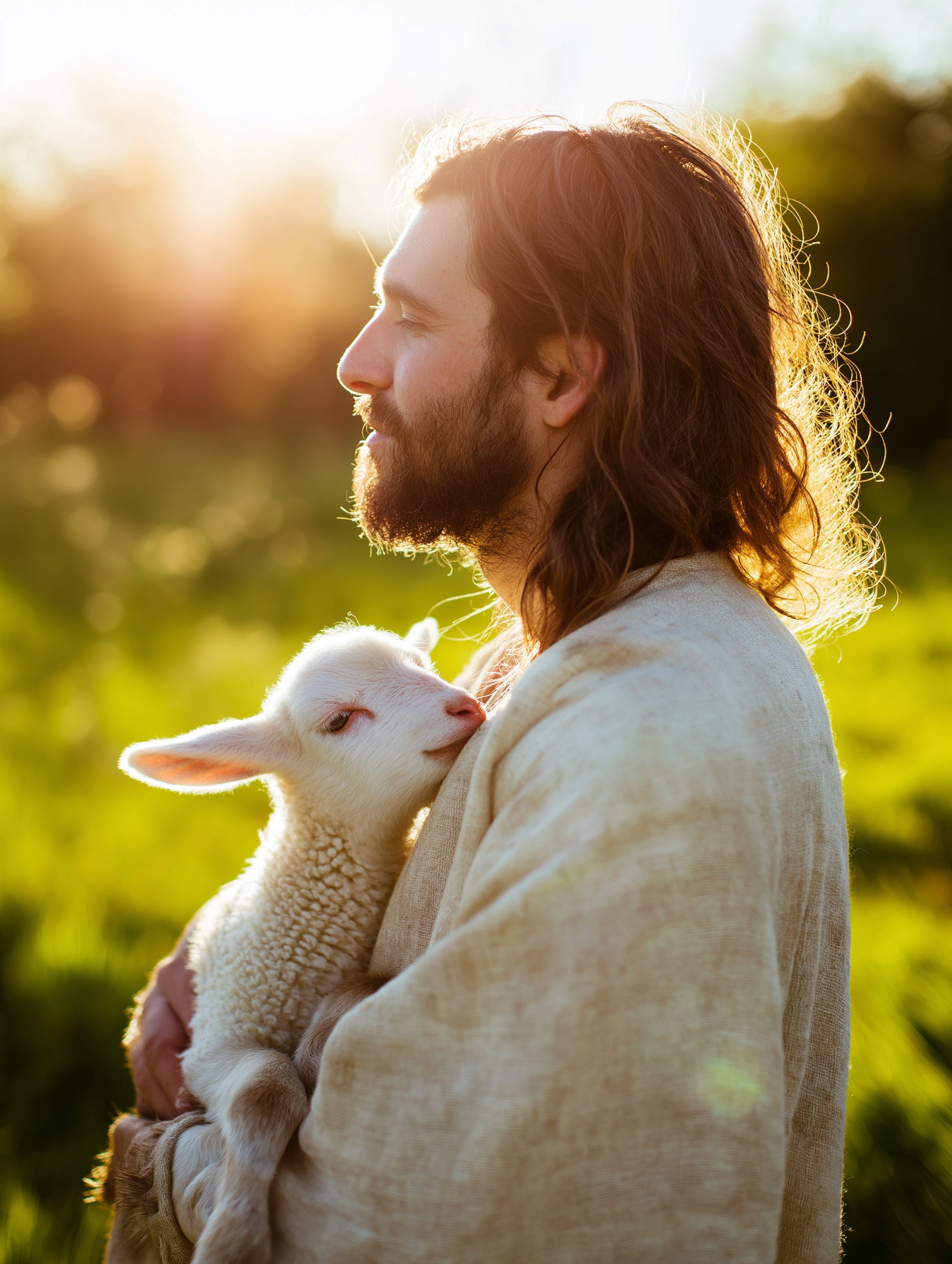
Which is why Scripture keeps attaching this word to people who were anything but timid. Numbers says Moses was the meekest man on the face of the earth (Numbers 12:3) — the same Moses who stood in Pharaoh’s court and would not blink, who came down the mountain and ground the golden calf to powder. And it’s why Jesus, who spoke the galaxies into place and cleared the temple with a whip of cords, could say without contradiction, “I am gentle and lowly in heart” (Matthew 11:29). The strongest man who ever lived was also the gentlest. He stood before Pilate with every legion of heaven at His disposal and said nothing.
So when we talk about a kind and gentle spirit, we are not talking about temperament. Some of us are naturally easygoing and some of us are not, and neither one of those is a virtue. We’re talking about what a person does with power he actually has. The gentle brother is the one who could win the argument and doesn’t need to. The gentle sister is the one who knows the thing that would end the conversation and never says it. Gentleness shows up precisely at the moment you could — and don’t.
If you want to find out whether it’s growing in you, don’t test yourself on a good day. Test yourself in traffic, in the group text, in the comment section, in the ten seconds after someone says something careless about you. That’s where it surfaces. Paul told the Colossians to put on “compassionate hearts, kindness, humility, meekness, and patience” (Colossians 3:12), and the language is deliberate. These are garments. You pull them on before you walk out into the day, because the day is not going to hand them to you.
And notice — that list comes right after Paul reminds them who they are: God’s chosen ones, holy and beloved. That’s the order. We’re not gentle in order to be accepted. We’re gentle because we’ve been carried by a patience we never earned. God has been slower with us than we have any right to expect. Every one of us has been given the corner of the robe instead of the spear. It is a strange kind of Christian who receives that and then goes out and presses every advantage he has over the people around him.
Jesus said the meek inherit the earth. It sounds backward in a world convinced that the earth goes to whoever grabs hardest. But grabbing has never actually gotten anyone anything that lasted. The bridled ones — the ones who let God hold the reins — end up with everything, and they never had to take a thing.

Thank you for your wisdom.
Thank you for imparting this wisdom to us. God knew I truly needed to hear this today 🙏