When we read the opening of Matthew’s Gospel, our eyes tend to move quickly past Joseph. We’re looking for the angel, for Mary, for the star. Joseph stands in the background… steady, unnamed in most retellings, holding a lantern he probably set down long ago. But stop for a moment at Matthew 1:18–25, and you’ll find something surprising. In eight verses, this quiet man makes decisions that are theologically profound, personally costly, and quietly beautiful.
His story deserves to be told slowly.
A catastrophe, not an awkwardness
We can’t feel the weight of Joseph’s situation until we understand what betrothal actually meant in first-century Jewish culture. This was not a modern engagement — no ring, no party, no easy exit. Betrothal was legally binding. It typically lasted about a year, during which the couple lived separately but were considered, in the eyes of the law and the community, husband and wife. To end it required a formal divorce. To violate it was, under Mosaic law, treated as adultery.
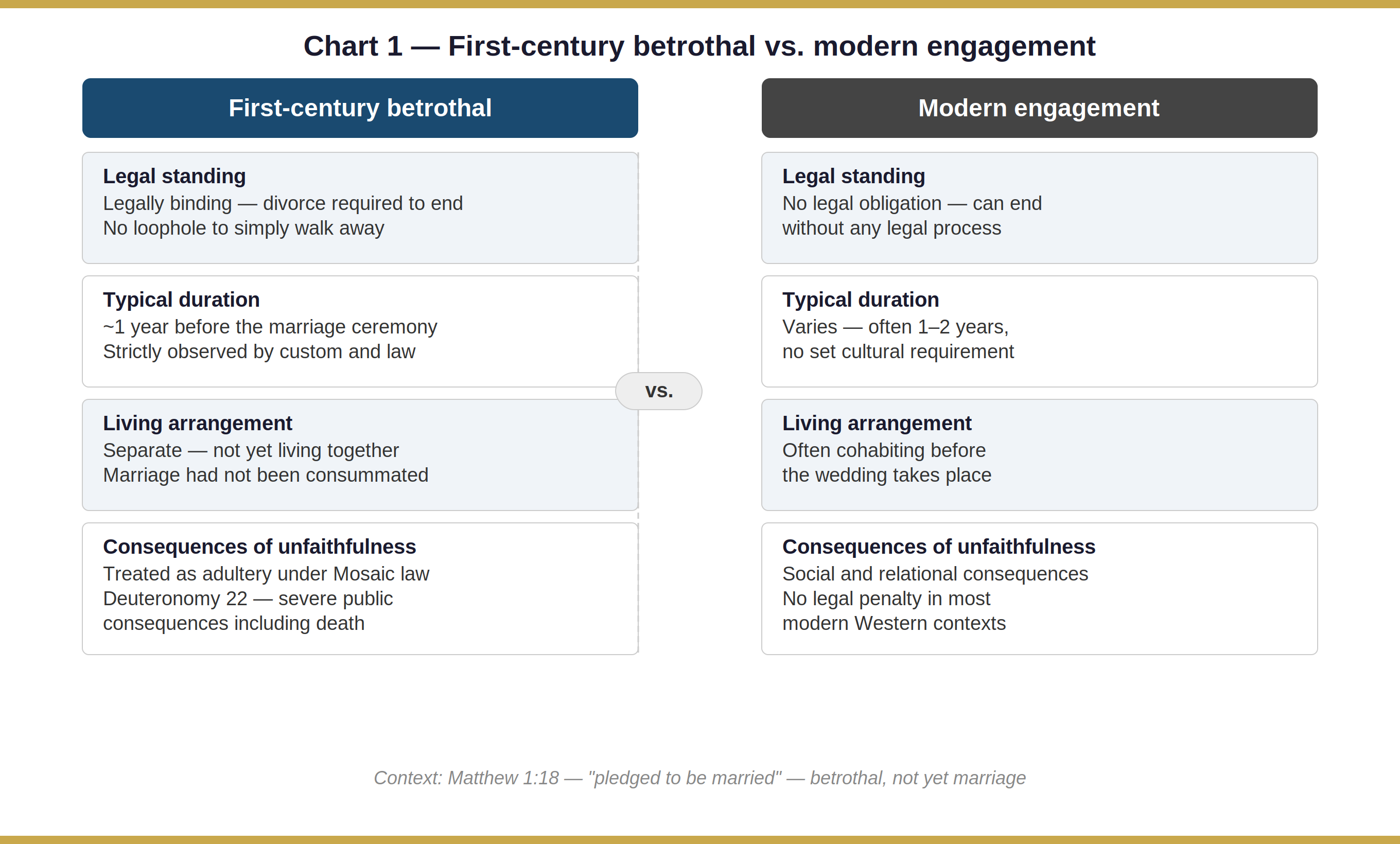
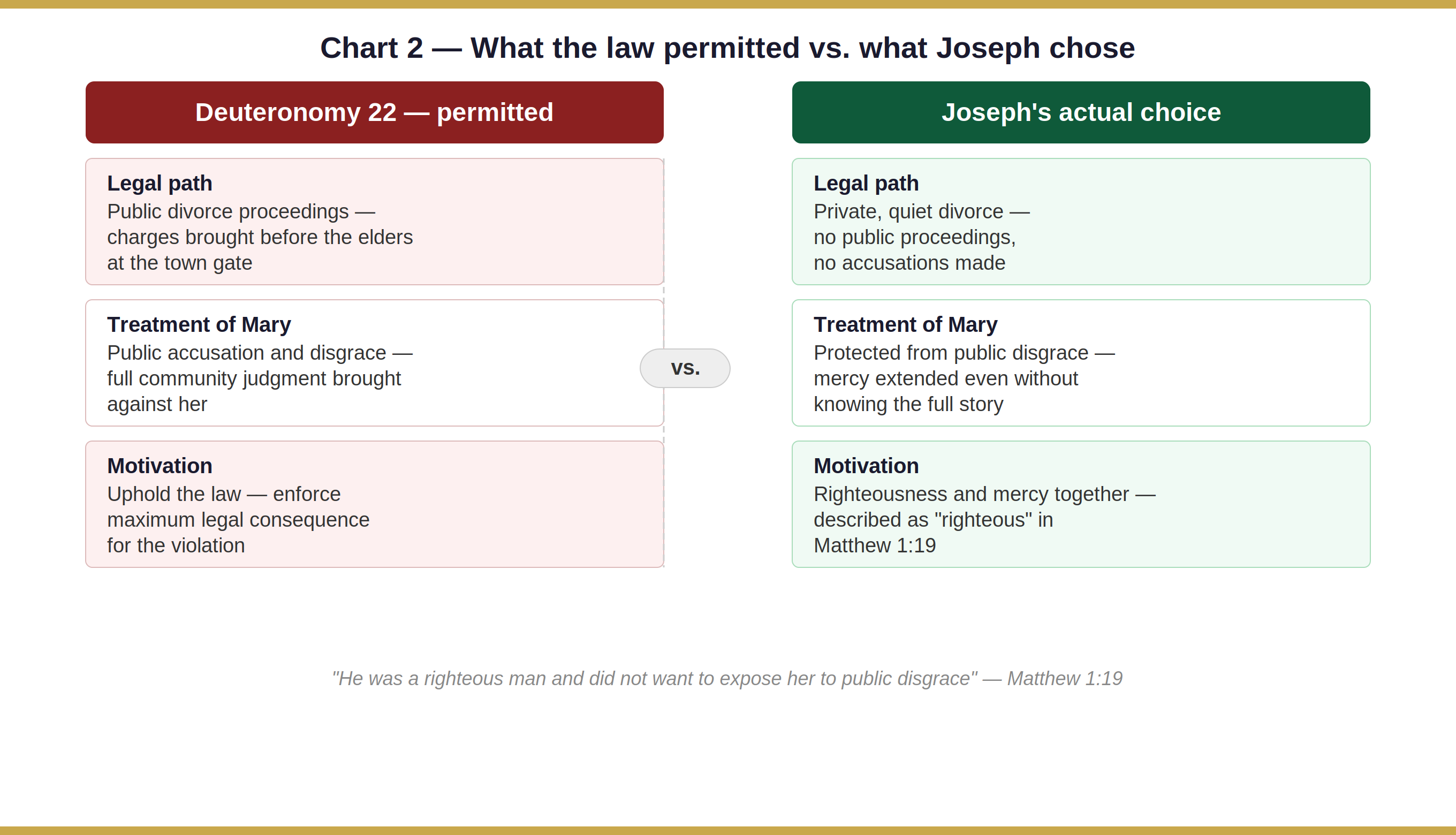
So when Mary turns up pregnant, Joseph isn’t facing an awkward conversation. He’s facing the collapse of everything: his reputation, his future, and his understanding of the woman he loved. Deuteronomy 22 gave him legal standing to bring public charges. The community would have expected nothing less.
What he chooses instead stops you cold.
The man who chose mercy first
Matthew 1:19 “Because Joseph her husband was faithful to the law, and yet did not want to expose her to public disgrace, he had in mind to divorce her quietly.”
Matthew holds two things in tension in that single verse that our culture tends to treat as opposites: righteousness and mercy. Joseph is described as a righteous man: someone who takes God’s law seriously. And yet he refuses to weaponize that law against Mary. He doesn’t know the full story. He has every justification to act harshly. And he chooses to be kind anyway.
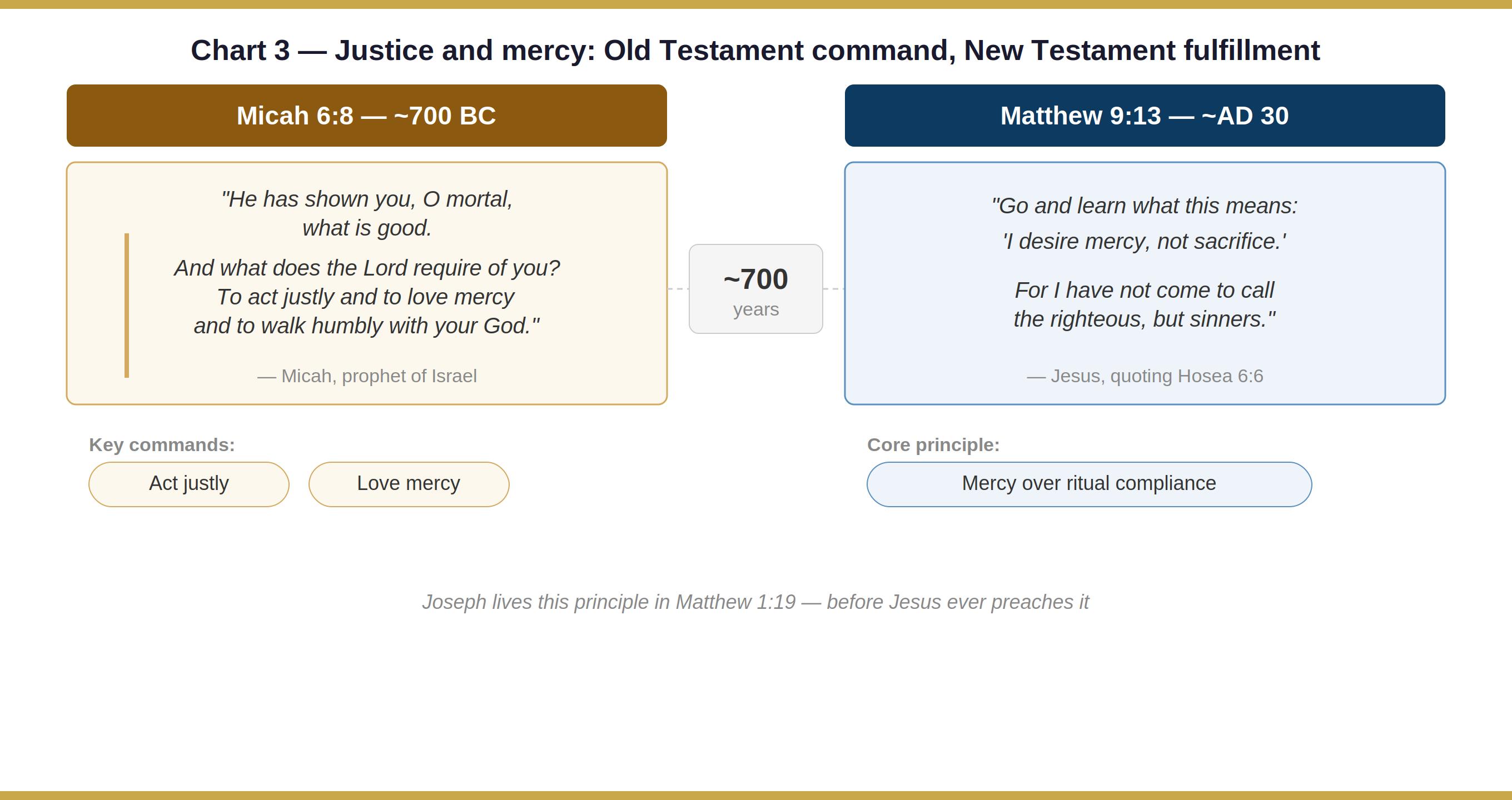
There’s something worth sitting with here. The prophet Micah wrote centuries earlier that God requires us to “act justly and to love mercy,” not one or the other, but both at once. That’s a harder balance to strike than it sounds. Most of us lean one way. Joseph, before Jesus ever preaches it, before grace has a face and a name, gets it right. He sees a human being he loves and refuses to make her a case study in law enforcement.
That’s not weakness. It’s the more demanding kind of righteousness; the kind that costs you something.
A dynastic act wrapped in a dream
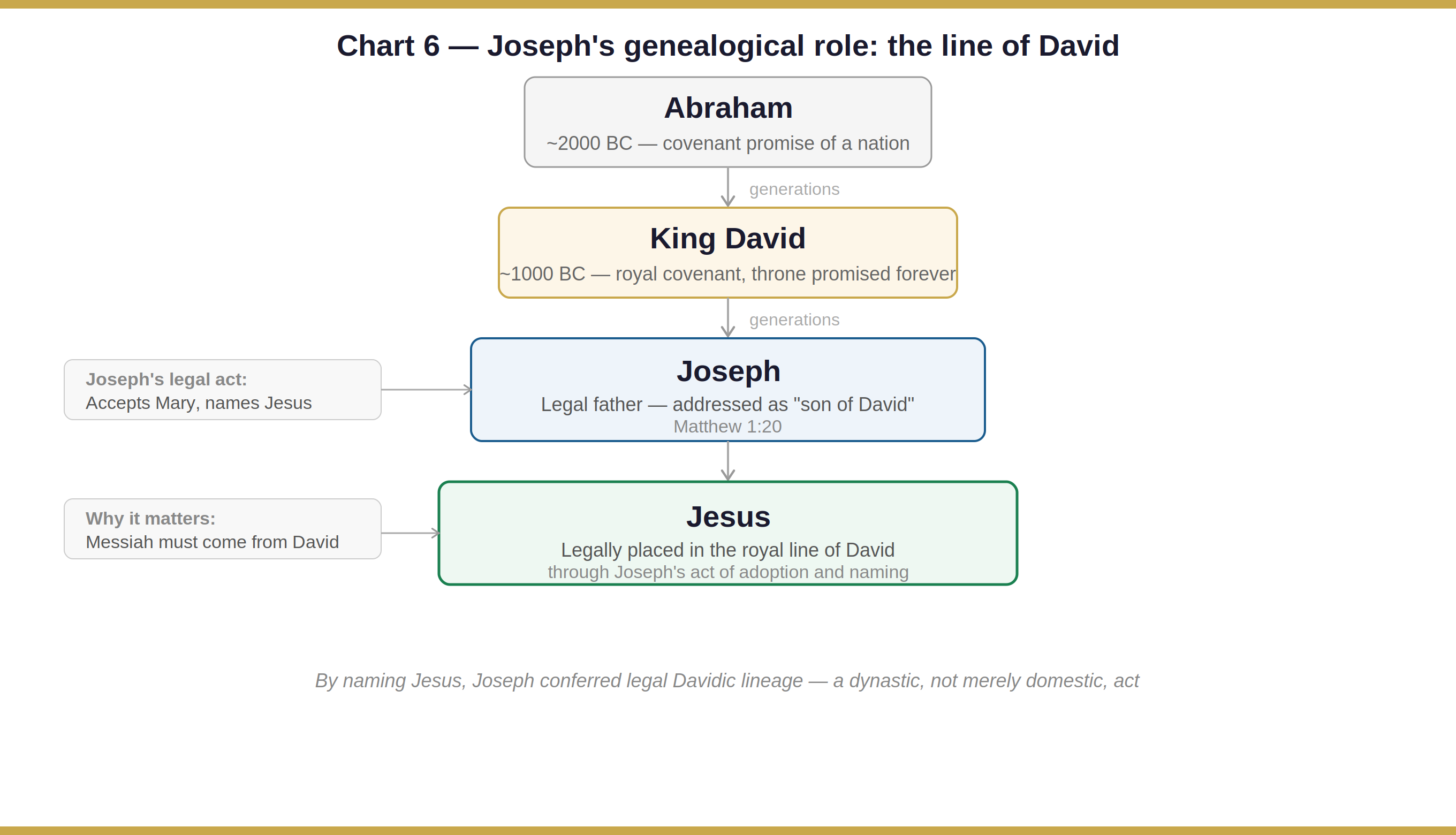
Then comes the dream. The angel addresses Joseph as “son of David,” and that phrase is doing real work. Matthew has just spent seventeen verses tracing Joseph’s lineage through the royal line. By accepting Mary and naming the child, Joseph doesn’t just become a husband and a father. He formally places Jesus in the legal line of David, fulfilling the messianic covenant that the promised king would come through that royal bloodline.
Joseph’s role isn’t domestic. It’s dynastic.
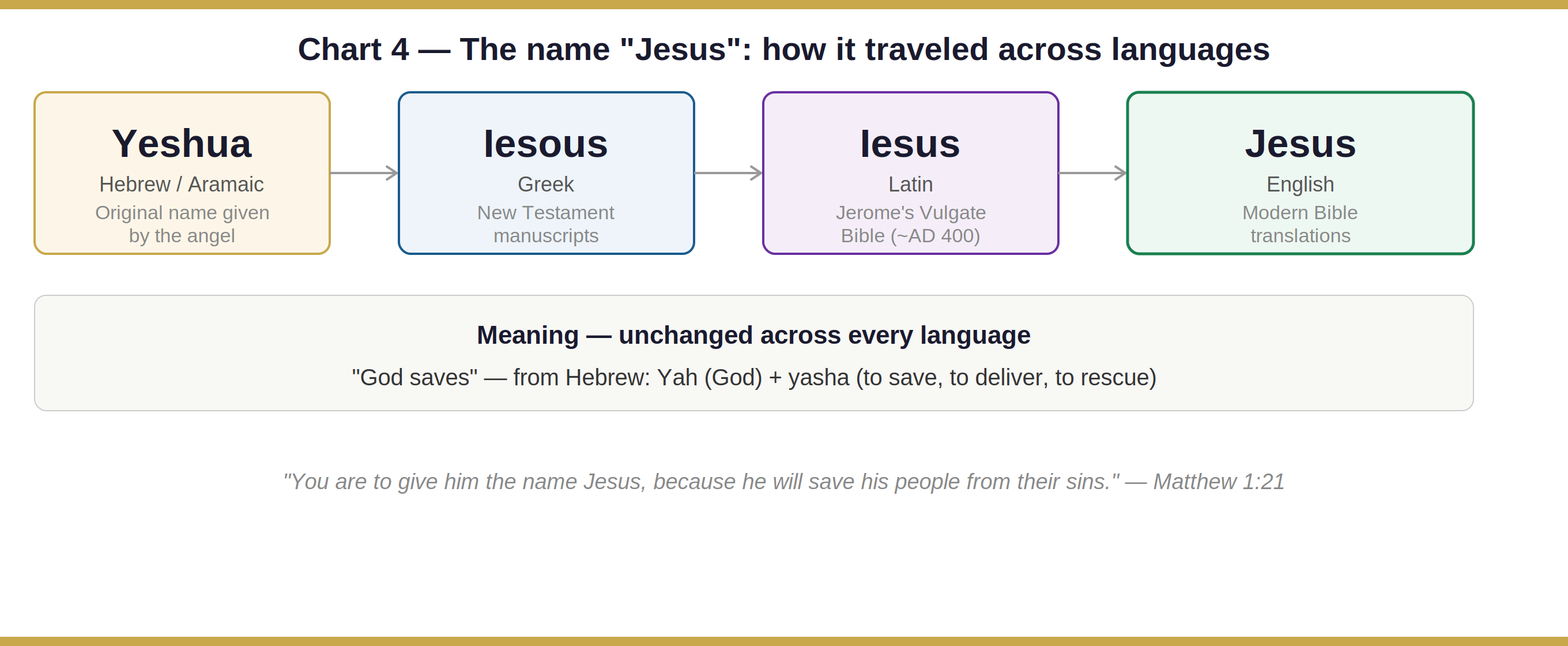
The angel also tells him to name the child Jesus: Yeshua in Hebrew, meaning “God saves.” The name carried the whole weight of the mission inside it.
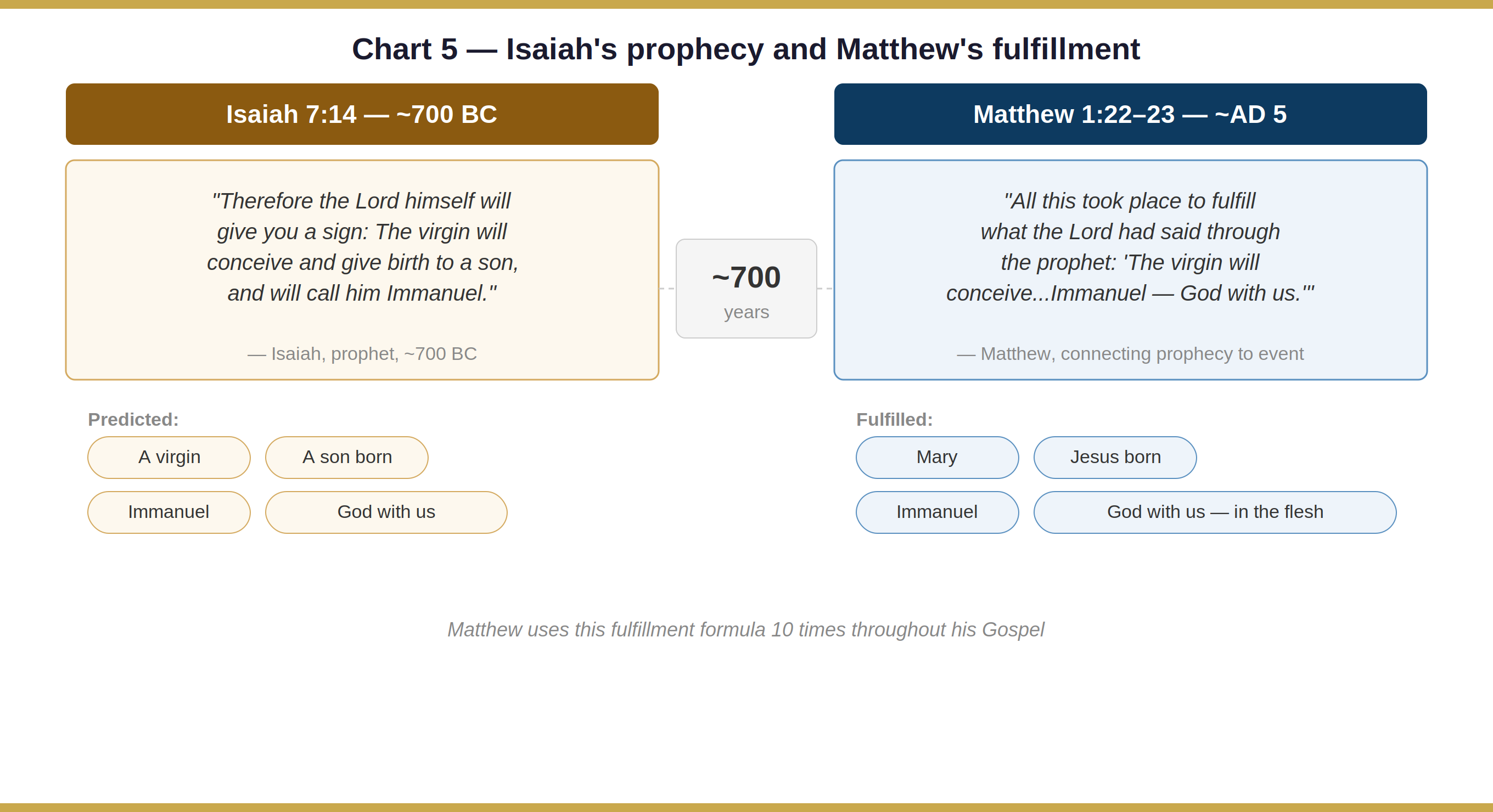
And Matthew pauses to note that this fulfills what Isaiah said seven centuries earlier: a virgin will conceive, a son will be born, and his name will be Immanuel: God with us. The gap between that prophecy and this moment is staggering. Seven hundred years of waiting, and it arrives in a carpenter’s dream in an ordinary town.
Four words that change everything
Matthew 1:24 “When Joseph woke up...”
Those four words might be the most quietly powerful in the passage. He woke up… and he did exactly what the angel said. No recorded hesitation. No asking for a second sign. No negotiating with God about what this would cost him socially, relationally, practically. He took Mary home as his wife. He named the baby Jesus. He protected the moment with care and reverence.
He just… did it.
The invitation
There’s a reason Joseph doesn’t get a song the way Mary does in Luke. He doesn’t deliver speeches. He doesn’t leave behind a single recorded word in the Gospels. His entire portrait is painted in actions: decisions made in private, obedience rendered without an audience, faithfulness practiced in the middle of a story much larger than himself.
Maybe that’s the point. Not every role in God’s story is a spotlight role. Some of the most important things He asks of us happen quietly, the mercy nobody sees, the integrity that holds when it would be easier to take the easy road, the showing up even when the cost is real, and the full picture isn’t yet clear.
Joseph was that man. And the story of Jesus, every thread of it, runs through him.