


There are moments in life when options run out.
You’ve prayed. You’ve thought it through. You’ve sought counsel. And still, you are staring at something bigger than you. The problem isn’t small. The pressure isn’t imaginary. The outcome feels uncertain.
That is exactly where King Jehoshaphat found himself.
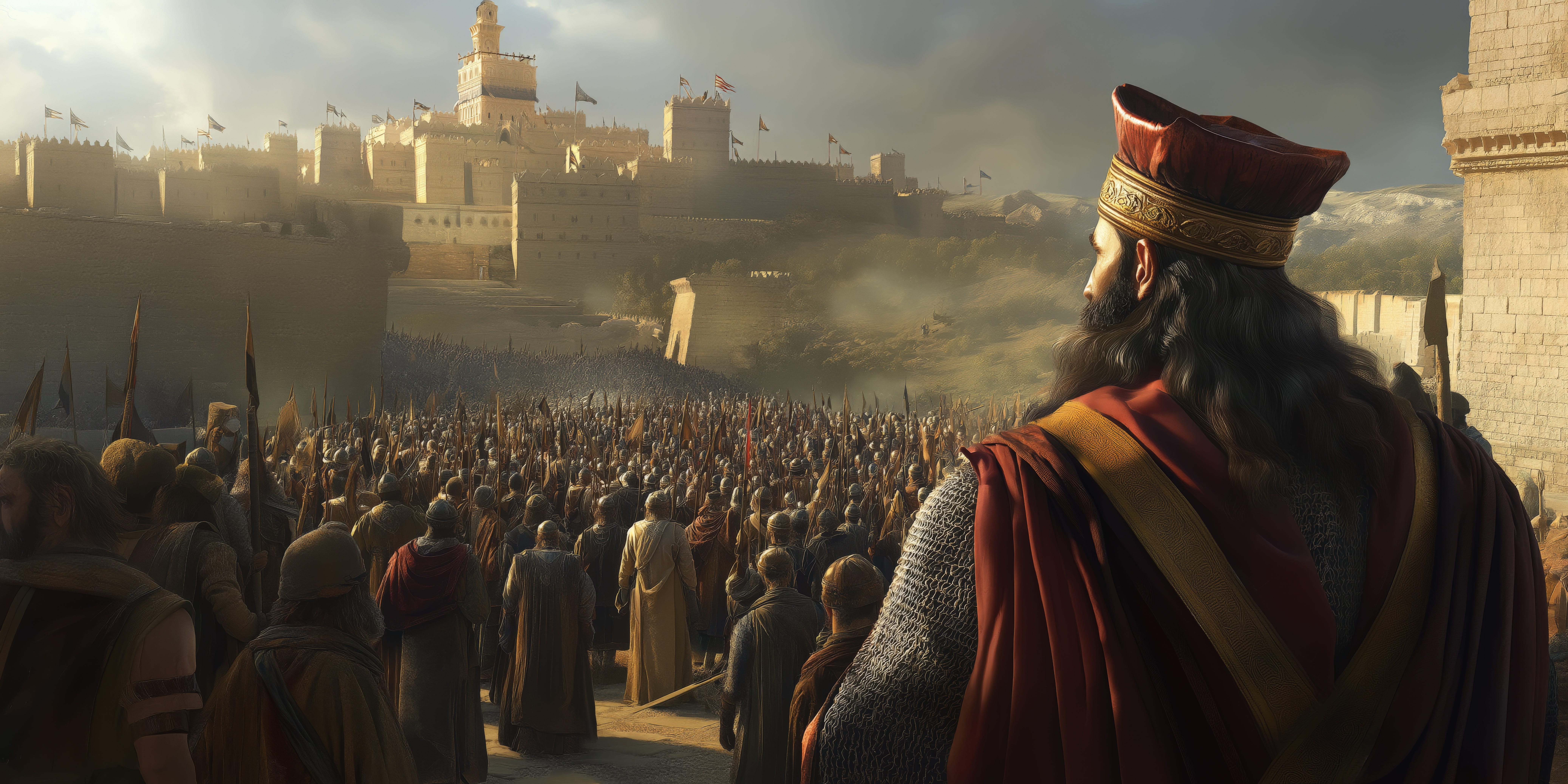
In 2 Chronicles 20, a vast army was advancing against Judah. The text does not minimize the threat. It says plainly, Jehoshaphat was afraid (2 Chronicles 20:3). Here we see that faith does not mean the absence of fear.
But notice what he did next: He resolved to seek the Lord. (2 Chronicles 20:3) Fear did not decide his direction. It drove him toward God.
He admitted the reality
Jehoshaphat gathered the people and prayed openly. He did not pretend strength he did not have. In his prayer, he said, for we are powerless before this vast number that comes to fight against us. We do not know what to do, but we look to you. (2 Chronicles 20:12). That may be one of the most honest prayers in Scripture. We are powerless. We do not know what to do. But we look to You.
That is faith in its clearest form.
He positioned the people toward trust
The Lord responded through the prophet Jahaziel: Do not be afraid or discouraged because of this vast number, for the battle is not yours, but God’s. (2 Chronicles 20:15) And then came the instruction that made no military sense: You do not have to fight this battle. Position yourselves, stand still, and see the salvation of the Lord. (2 Chronicles 20:17) Read that last sentence again:
Position yourselves.
Stand still.
Watch God work.
Faith sometimes advances. Sometimes it stands. In this case, faith stood still.
He led with worship, not weapons
The next morning, Jehoshaphat did something remarkable. Instead of sending soldiers first, he appointed singers to go ahead of the army. Give thanks to the Lord, for his faithful love endures forever. (2 Chronicles 20:21) They walked toward the battlefield singing. And as they praised, the Lord set ambushes against the enemy (2 Chronicles 20:22). Judah did not fight. They watched God fight for them.
What this means for us
Most of us will not face literal armies. But we face pressures that feel just as overwhelming.
A medical diagnosis.
A fractured relationship.
A financial crisis.
A church conflict.
A season of deep uncertainty.
Like Jehoshaphat, we may feel afraid. The question is not whether fear appears. The question is what fear drives us to do. Jehoshaphat feared—but he sought the Lord. He admitted weakness—but he looked to God. He stood still—but he trusted.
And God fought.
A word for today
If you are facing something larger than you, learn from this king. Say the honest prayer: “We do not know what to do.” Then add the line that changes everything: “But we look to You.”
The battle may not resolve overnight. But the burden shifts when you remember it is not ultimately yours to carry. Sometimes faith charges forward. Sometimes faith kneels. And sometimes faith stands still and sings. But in every case, faith looks to God.
And that is enough.
